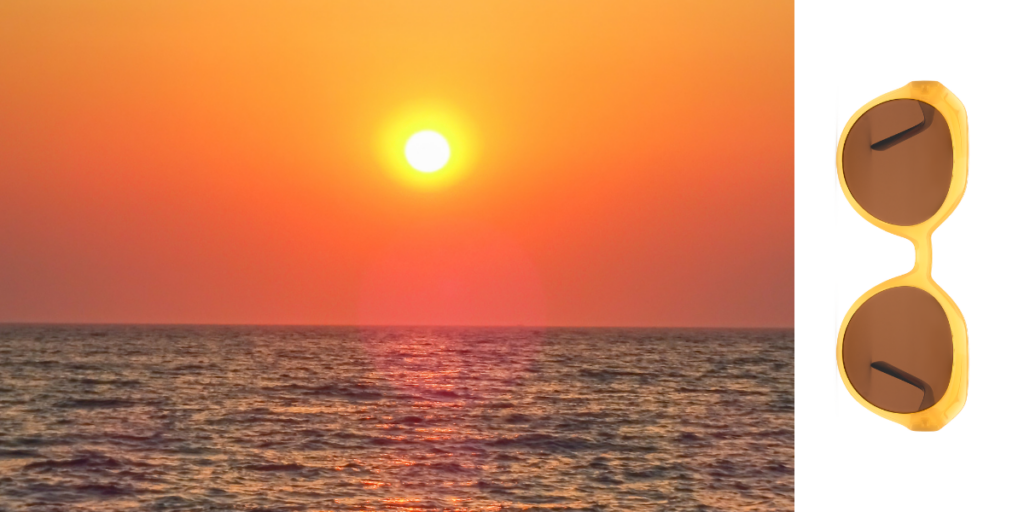
Several words may appear on the label of sunglasses: polarized, category 3, UV400, gradient lenses, or ultraviolet protection. Although they are often listed together, they don't describe the same property. Understanding what UV400 means helps distinguish radiation protection from simply a dark lens color. The number 400 refers to […]
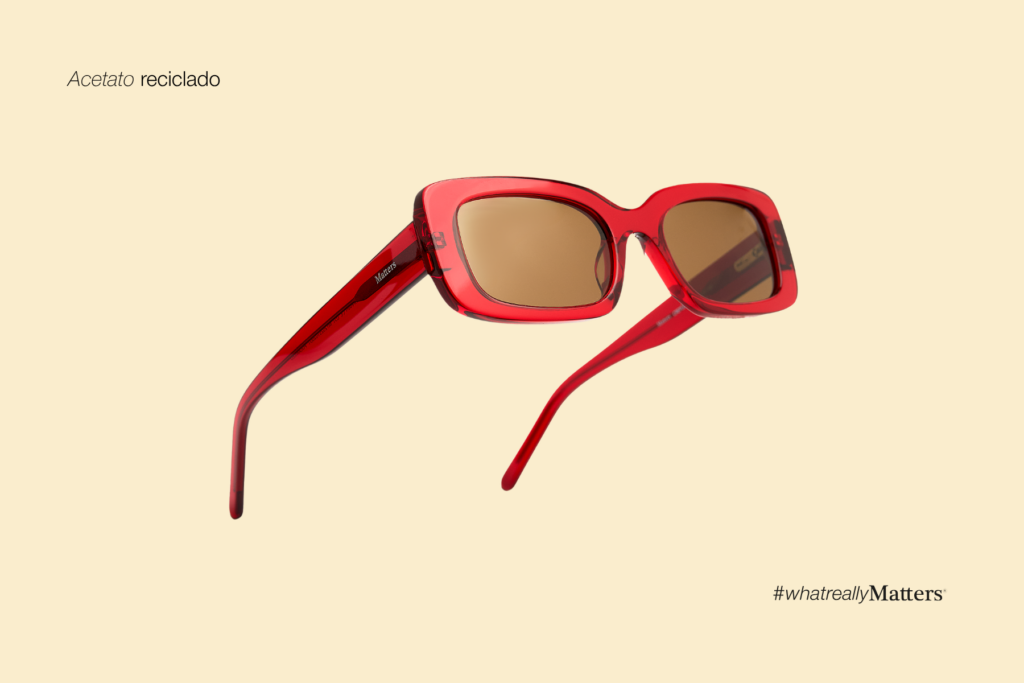
The category of sunglasses doesn't measure the quality of the frame or UV protection. It indicates how much visible light passes through the lenses. A higher category lets less light through and therefore usually corresponds to a darker lens. The choice should be adapted to the environment: sunglasses appropriate for walking in […]
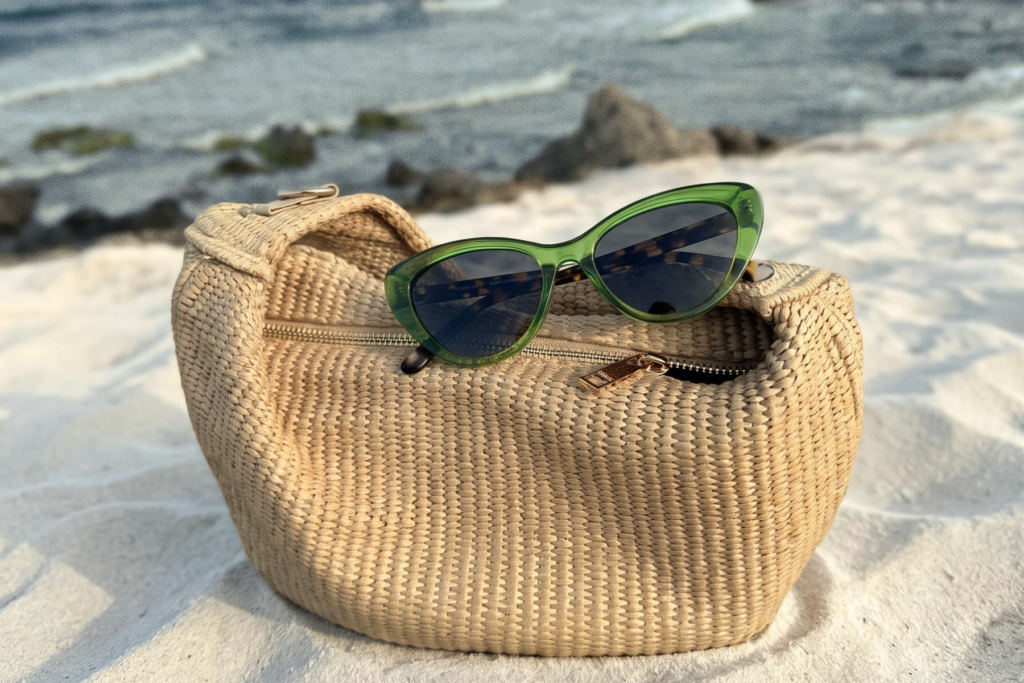
Imagine a road after it's rained. The sun shines on the asphalt, creating a bright band that makes it hard to see what's ahead. Now think of the sea at midday. The surface reflects the light, forcing you to squint. It's in situations like these that polarized lenses make their main difference. Their […]
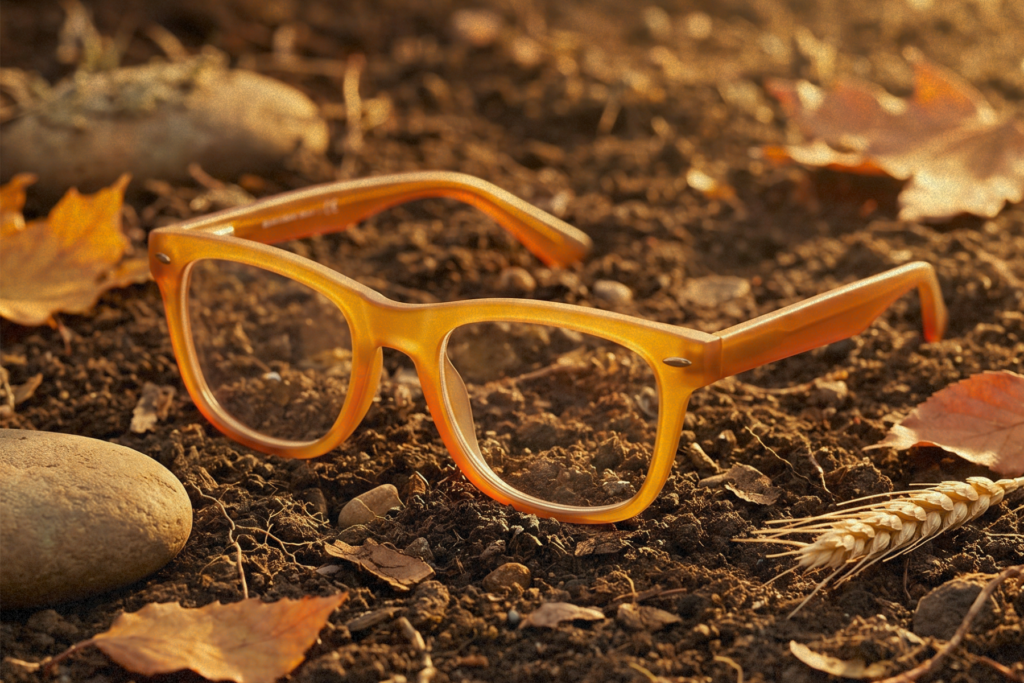
After a certain age, reading a label, checking your phone, or threading a needle can start to require more effort. Many people solve this problem with pre-made reading glasses, but before choosing, the inevitable question arises: what magnification do I need? Reading glasses will have numbers like +1.00, +1.50, +2.00, or […]
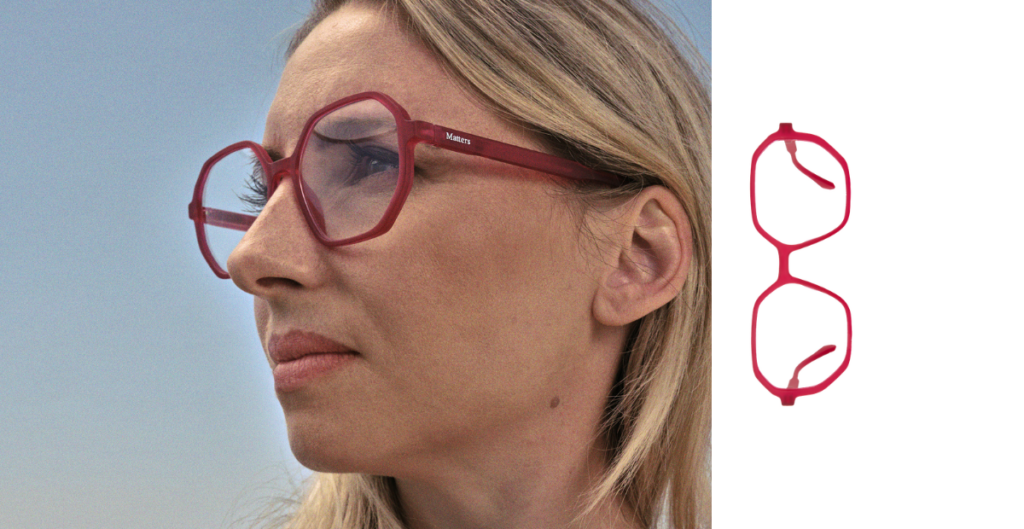
Most of what we understand, decide, or remember comes through a single channel: sight. It's estimated that up to 80% of the information we process is visual. However, we rarely stop to think about how we're using our eyes on a daily basis. Especially in a context where […]
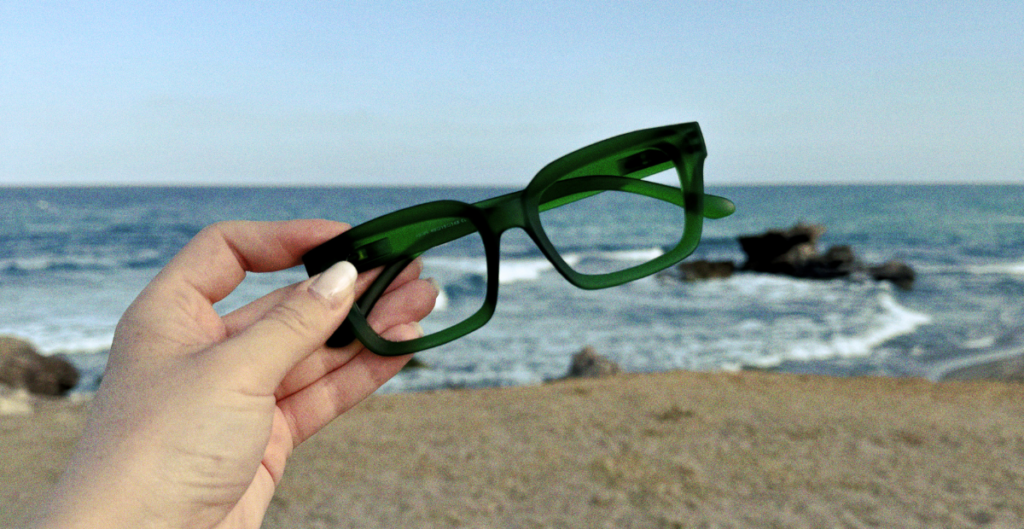
Summer invites us to slow down, spend more time outdoors, and disconnect. However, screens remain a part of our daily lives: work, mobile phones, TV series, or digital reading. This continued use, combined with seasonal factors such as heat, air conditioning, and sun exposure, can lead to […]

Reaching 40 often comes with small changes. Some are almost imperceptible. Others are more obvious. One of the most common is noticing that you need to hold your phone further away to focus better or that small print isn't as comfortable as it used to be. If you recognize yourself in this situation, it's very likely that you're starting […]
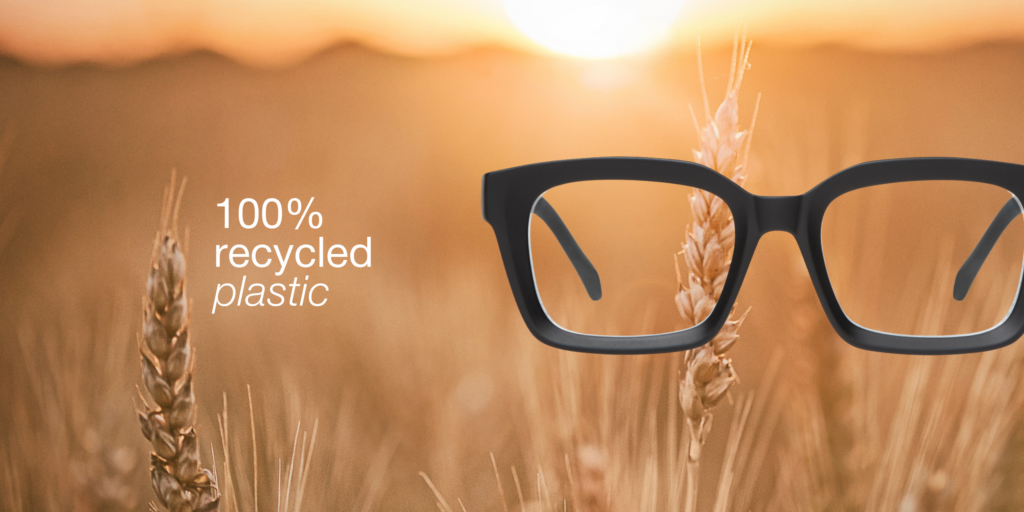
Sustainability isn't (just) about materials. In recent years, the term "sustainable" has become a mark of trust, but also a concept that is repeated so often that it has begun to lose some of its true meaning. At Matters, we believe that sustainability is not limited to using certain materials, but rather […]

What is presbyopia? Presbyopia is a visual condition that occurs naturally with age. Starting in your 40s or 45s, many people begin to notice that reading a book, using a cell phone, or focusing on small print becomes less comfortable. It's don't just about "poor vision," […]
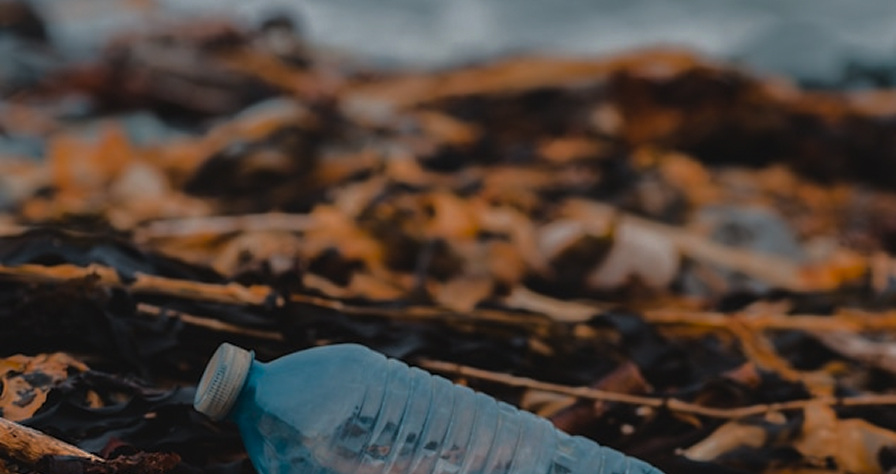
The origin of recycled materials Recycled glasses aren't born as glasses. Their story begins long before, when a material that seemed worthless is salvaged instead of being discarded. It could be an abandoned fishing net, a plastic bottle collected on the coast, an industrial remnant, or old frames […]



 EN
EN  ES
ES