
Most of what we understand, decide, or remember comes through a single channel: sight. It is estimated that Up to level 80%, the information we process is visual..
However, we rarely stop to think about how we use our eyes on a daily basis, especially in a context where screens occupy a large part of our time.
It's not just about how much we look, but about how do we do it.
A few years ago, our eyes naturally alternated between different distances: reading, walking, observing, resting. Today, much of our time is spent focusing on a single type of object. short, sustained distances.
Computers, mobile phones, tablets. Everything happens in a small space, with our gaze fixed for long periods.
This change is not temporary, it's structural. And it has consequences.
The Digital eye strain It doesn't appear overnight. It's built little by little, as a result of constant effort.
It is not always perceived as a serious problem, but rather as a series of small, recurring annoyances:
Over time, these signs cease to be isolated incidents and become part of the routine.
The eye is prepared to adapt, but not to maintain the same effort for such a long time.
When you work or consume content on a screen:
The problem is not a specific action, but the continuous repetition of this pattern.
One of the key points is that eye strain is not usually debilitating. It allows you to continue working, reading, or using your mobile phone.
That's why it's becoming normal.
It's assumed to be part of everyday life, just like physical or mental fatigue. But it shouldn't be. Our eyesight also needs breaks, adaptation, and balance.
The impact isn't just visual. It affects how you work and concentrate.
Strained eyes can cause:
It's not just a matter of comfort. It's a matter of performance and well-being.
It's not about giving up screens, but about introducing balance into their use.
Consciously looking into the distance allows you to relax your focusing system.
Taking short breaks prevents your eyes from being strained for too long.
Avoiding excessive brightness or very high contrasts helps to reduce eye strain.
Don't wait until you're extremely tired to rest.
When screen use is part of the routine, some supports can help improve the visual experience.
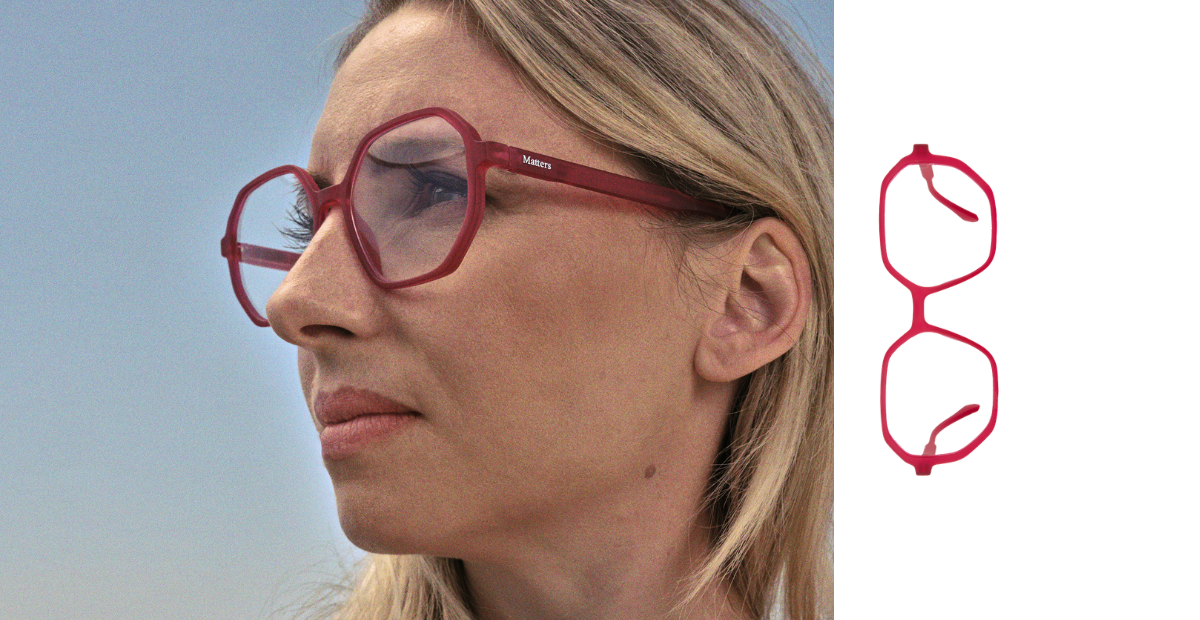
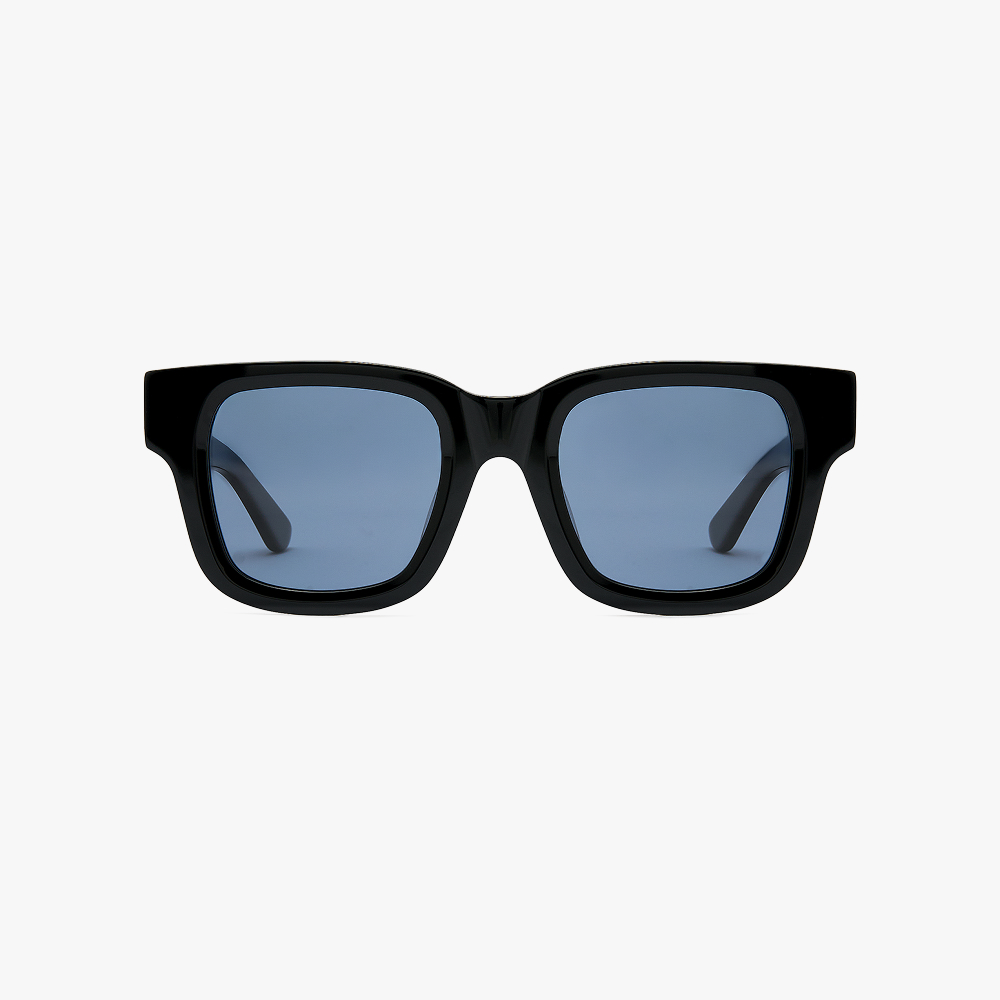
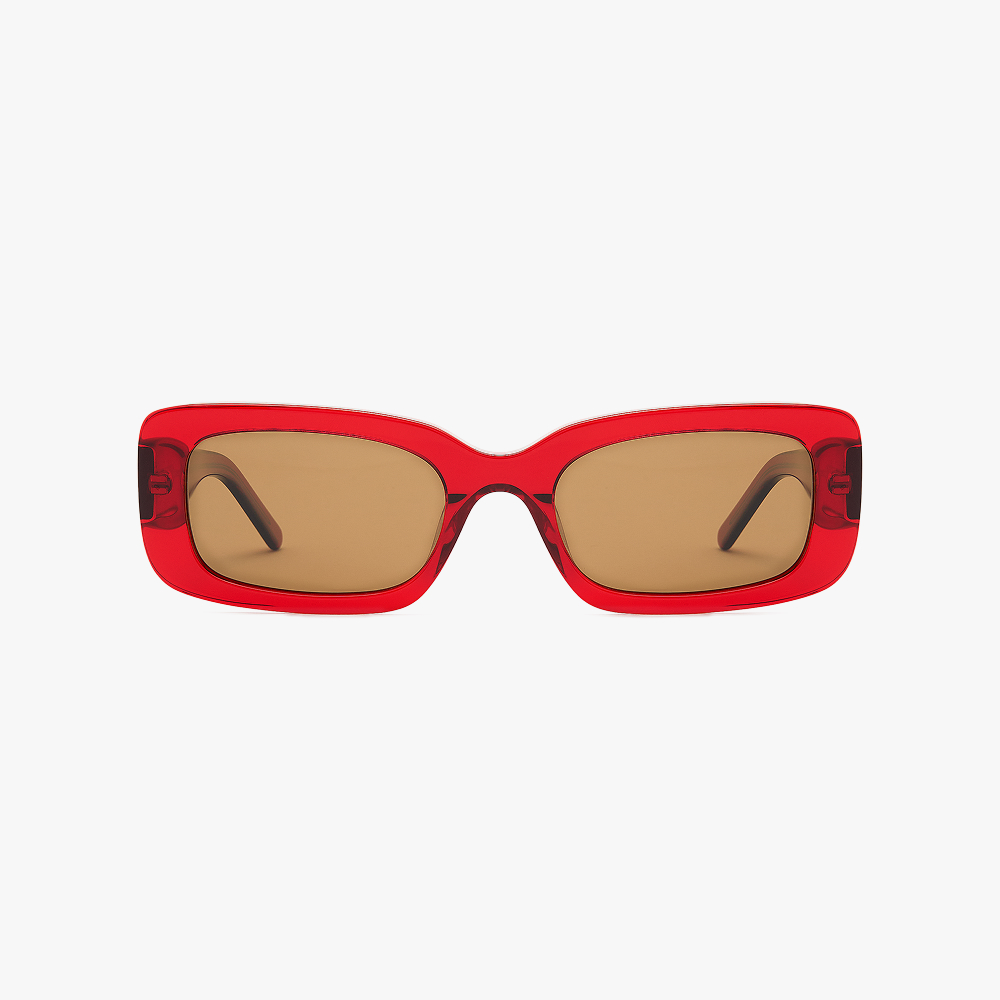
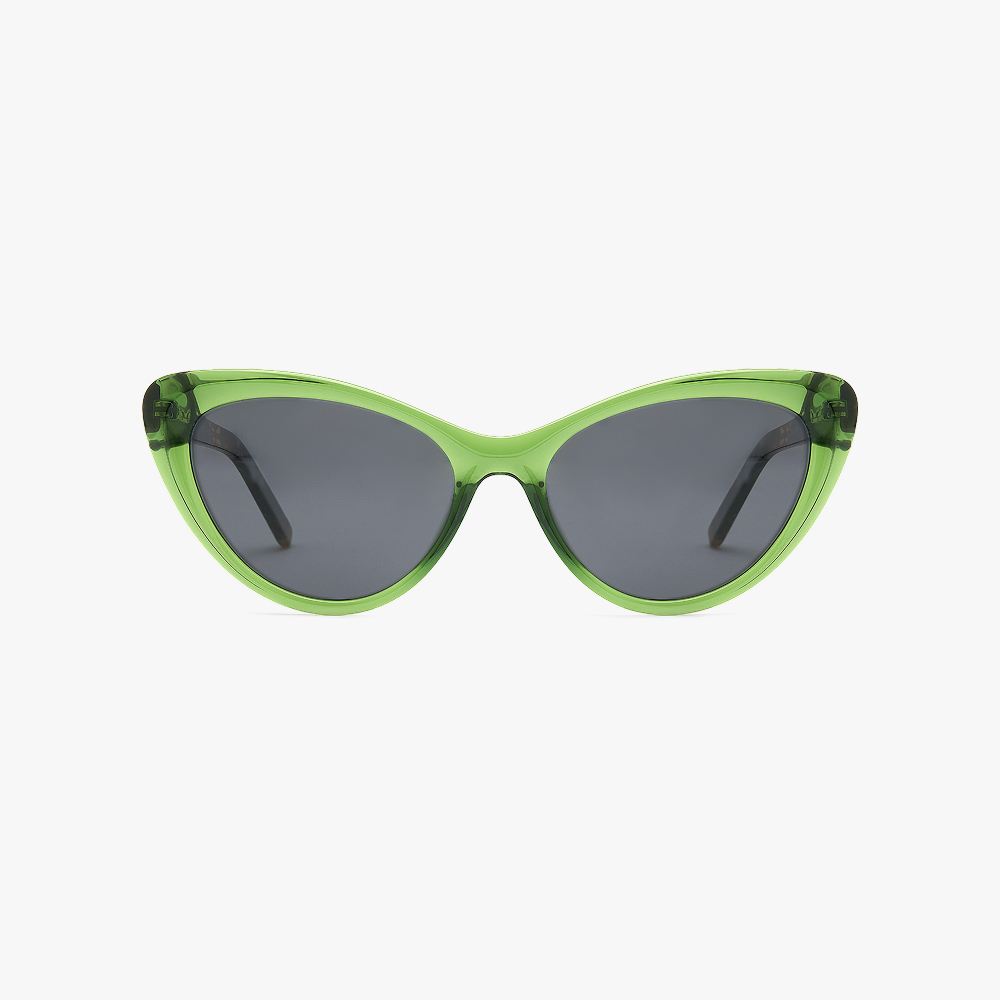
The glasses with blue light filter They are designed to accompany this type of use, helping to reduce the feeling of fatigue during prolonged exposure.
Here you can insert an image of the product in use or a detail of the frame, integrated into an everyday environment.
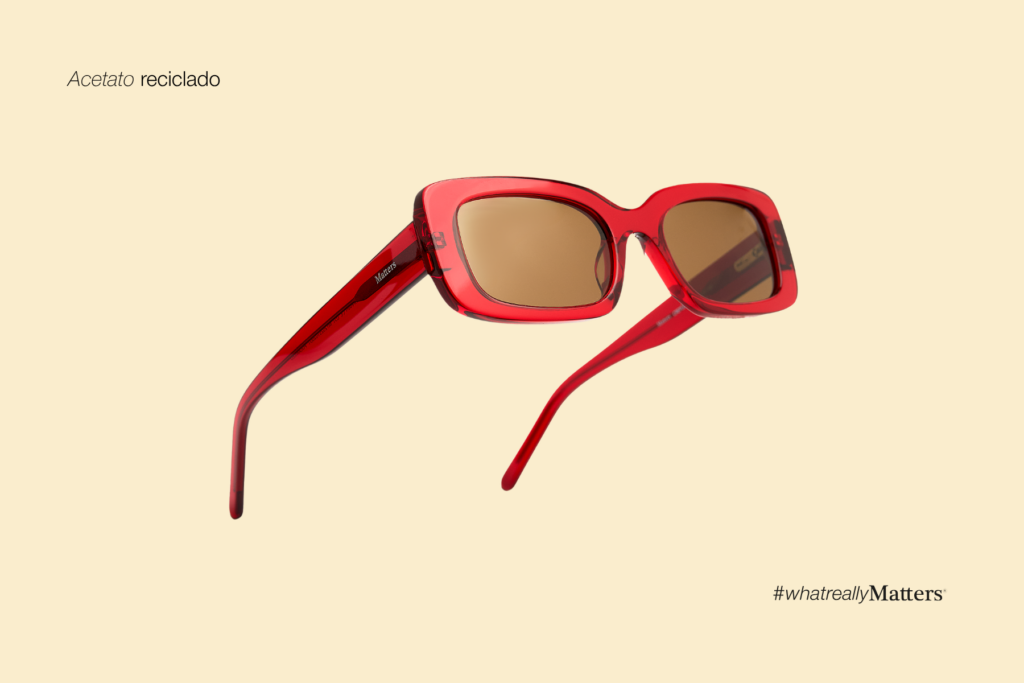
In addition, choose models made with recycled materials It allows for the integration of visual care within a more conscious form of consumption.

If sight is one of the main channels of information, it makes sense to pay attention to it.
Not only when discomfort arises, but also during daily use.
How you look, how much you rest, and what you choose to use are also part of eye care.
Because seeing is not just an automatic function. It's a way of relating to your surroundings.



 EN
EN  ES
ES