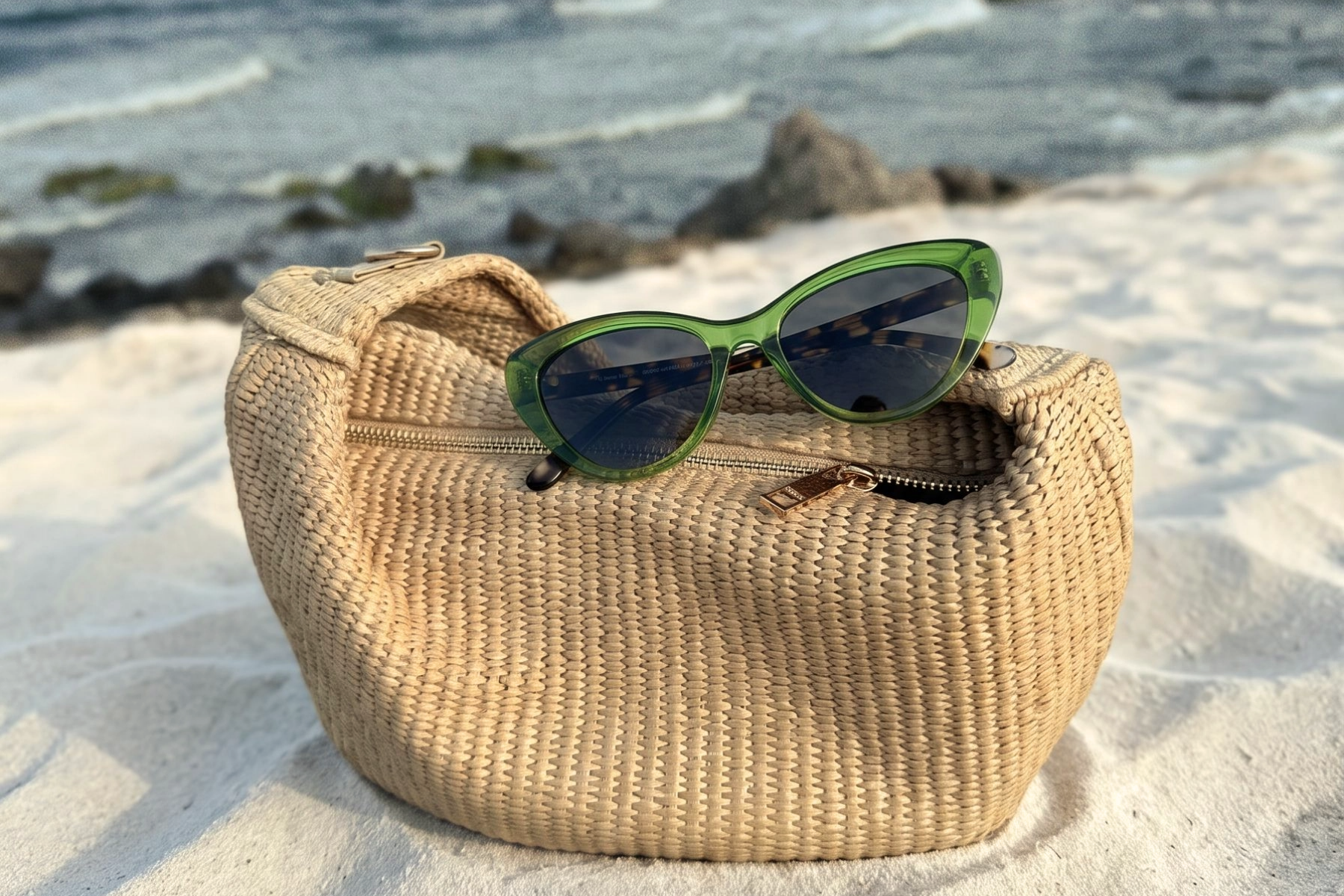
Imagine a road after it has rained. The sun shines on the asphalt, creating a bright band that makes it difficult to see what is ahead.
Now think about the sea at midday. The surface reflects the light and forces you to squint.
It is in situations like these that a polarized lens shows its main advantage. Its function is not simply to darken the scene, but to reduce certain intense reflections that come mainly from horizontal surfaces.
Non-polarized sunglasses reduce the amount of visible light entering the eye. If they incorporate adequate UV protection, they also filter UV radiation.
It can offer a good level of protection and is perfectly suitable for many uses. However, it reduces light more generally and doesn't specifically block glare reflected from roads, water, or shiny surfaces.
A polarized lens incorporates an oriented filter that reduces much of the light reflected in a specific direction.
The American Academy of Ophthalmology explains that these lenses reduce glare from surfaces such as pavement, water, vehicle windows, or metallic objects.
The result could be:
Asphalt, car hoods, and windows can all produce intense glare. Polarized lenses can make daytime driving more comfortable in bright conditions.
Sand and water reflect some radiation and visible light. Polarization reduces surface glare and allows for a more comfortable view of the surroundings.
In boating, fishing or water sports, the filter can help reduce the glare that covers the surface.
Reflections from shop windows, cars and pavements may also decrease, although the difference is usually less noticeable than by the sea.
This is one of the most frequent mistakes.
A lens can be polarized and not offer adequate UV protection. It can also provide adequate protection against ultraviolet rays without being polarized.
The American Academy of Ophthalmology insists that polarization alone does not block UV radiation and recommends checking both features.
Polarized lenses can make it difficult to read some LCD screens depending on the viewing angle. This can happen with certain mobile phones, navigation systems, or instrument clusters.
Before driving with them, check that you can see all the vehicle's screens clearly. The DGT (Spanish Directorate General of Traffic) also recommends verifying this compatibility.
They're also not designed for night driving. Further reducing the available light when it's already poor can worsen visibility.
Don't just focus on the word "polarized". Check out:
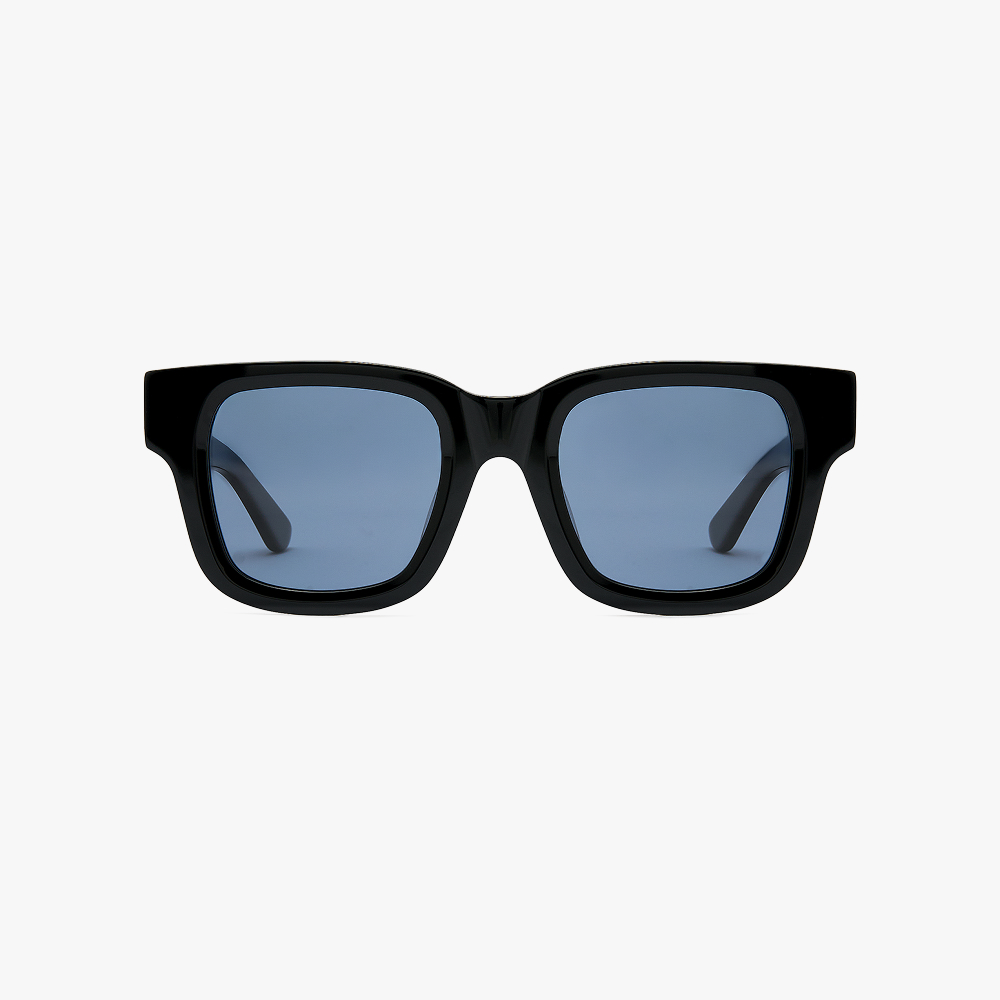
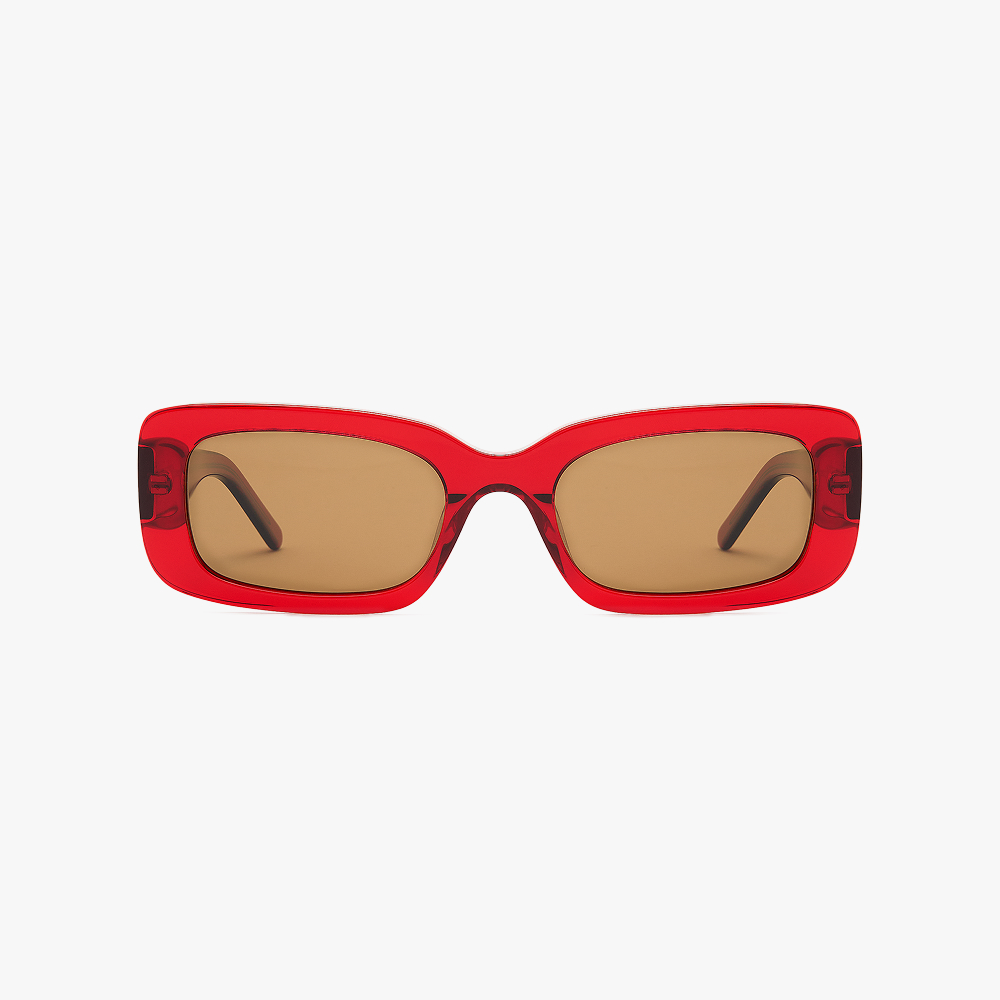
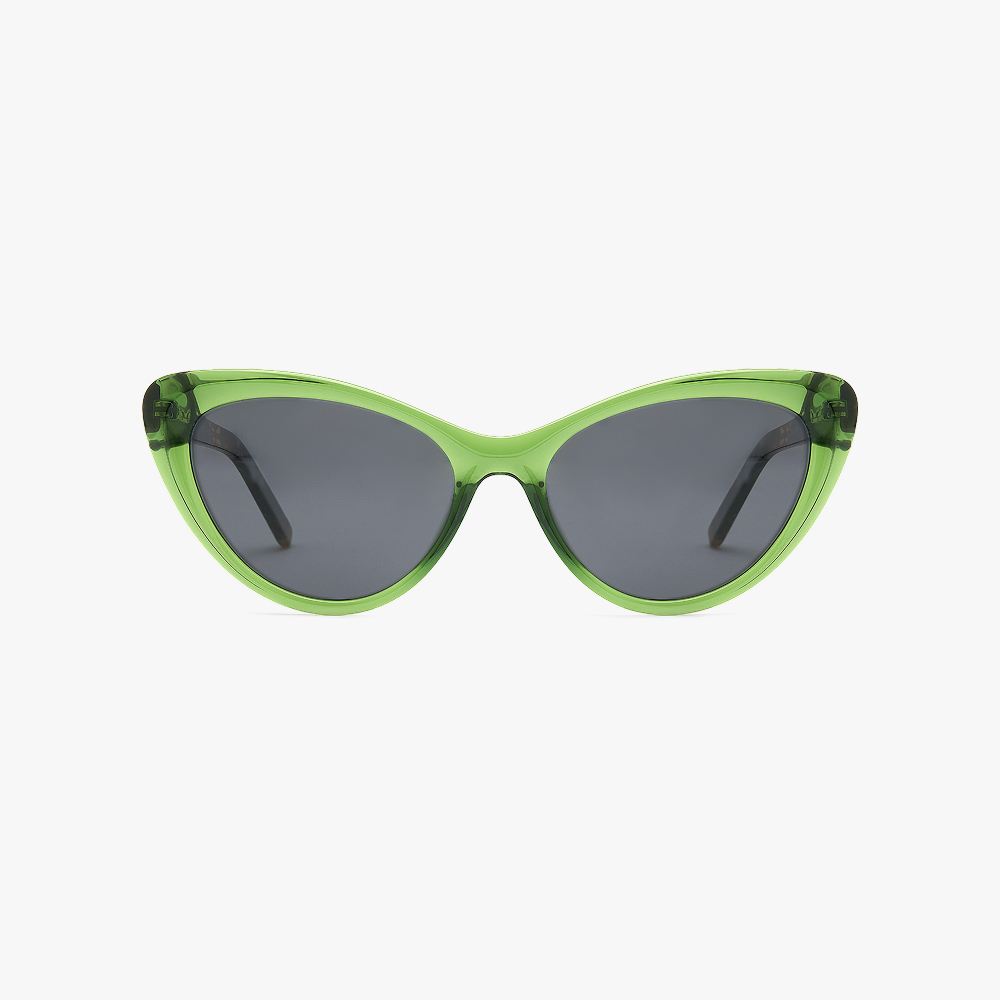
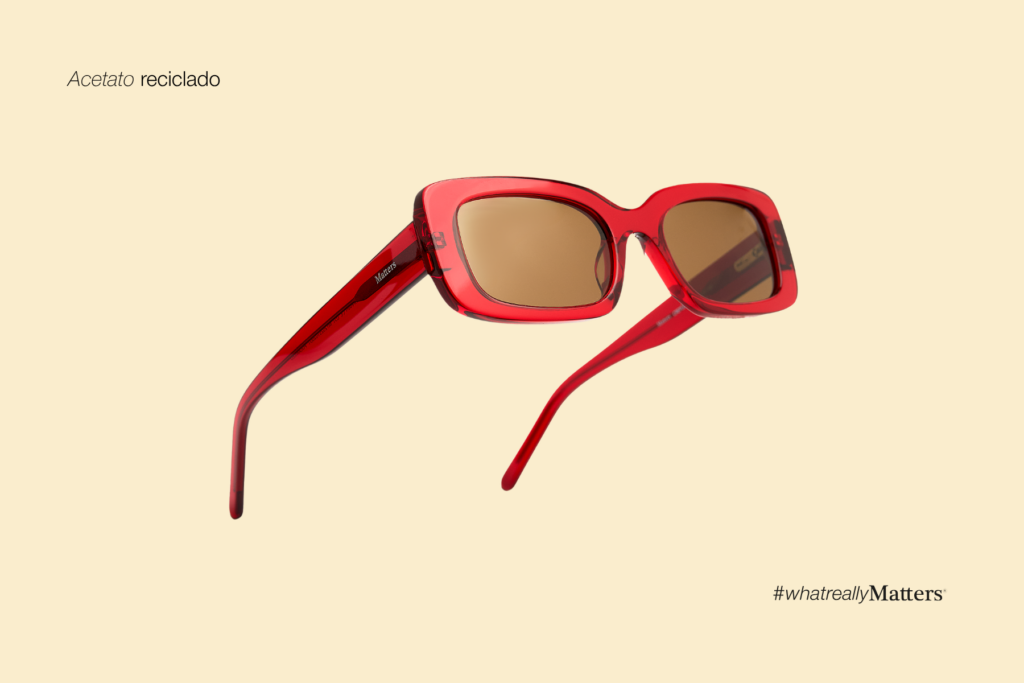
Matters sunglasses combine polarization, UV400 filter and category 3, a configuration designed for bright light conditions and daytime outdoor use.
Polarization doesn't automatically make glasses better for all situations. It does, however, make a clear difference when glare is the main problem.



 EN
EN  ES
ES