
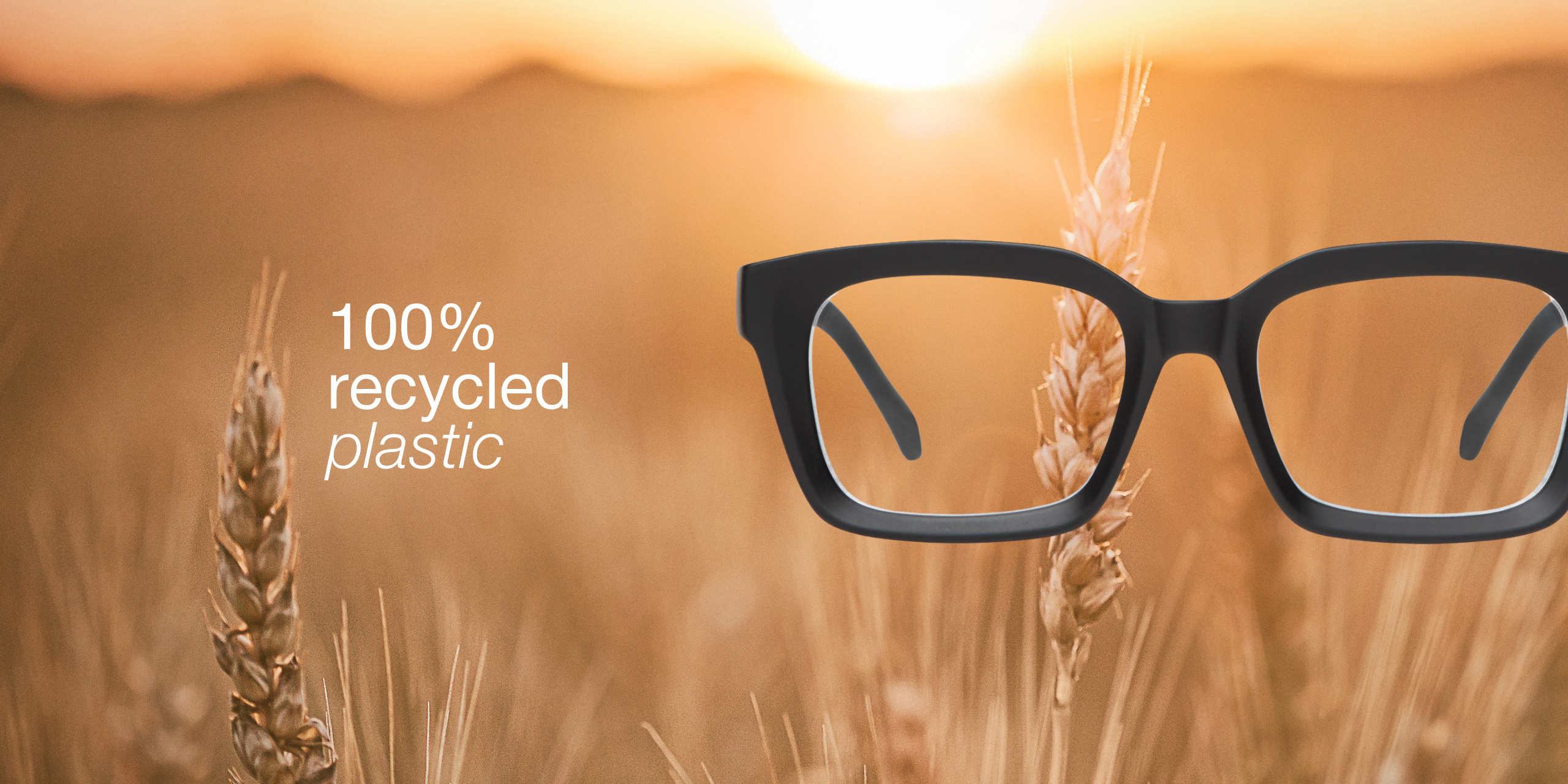
In recent years, the term sustainable It has become a mark of trust, but also a concept that is repeated so often that it has begun to lose some of its true meaning. At Matters, we believe that sustainability is not limited to using certain materials, but should be understood as a global decision which affects the entire process of design, production, and consumption.
One of the questions we hear most often is: “If they’re made of plastic, how can they be sustainable?” And this is where RPET comes in.
RPET is recycled plastic. More specifically, it is PET (polyethylene terephthalate) that has already been used previously, for example, in water bottles, beverage containers, or other mass-market consumer products.
Instead of ending up in landfills or, worse, in natural ecosystems, this plastic waste is collected, cleaned, shredded, and reprocessed to become a new material: RPET. A recycled, reusable resource with a smaller environmental footprint.
It is important to differentiate between virgin plastic and recycled plasticWhile the former requires the extraction of natural resources (such as oil) and a high-impact industrial process, the RPET significantly reduces CO₂ emissions, energy consumption and the need to generate new waste.
It is not the definitive solution, but it is a much more sensible and coherent alternative if managed responsibly.
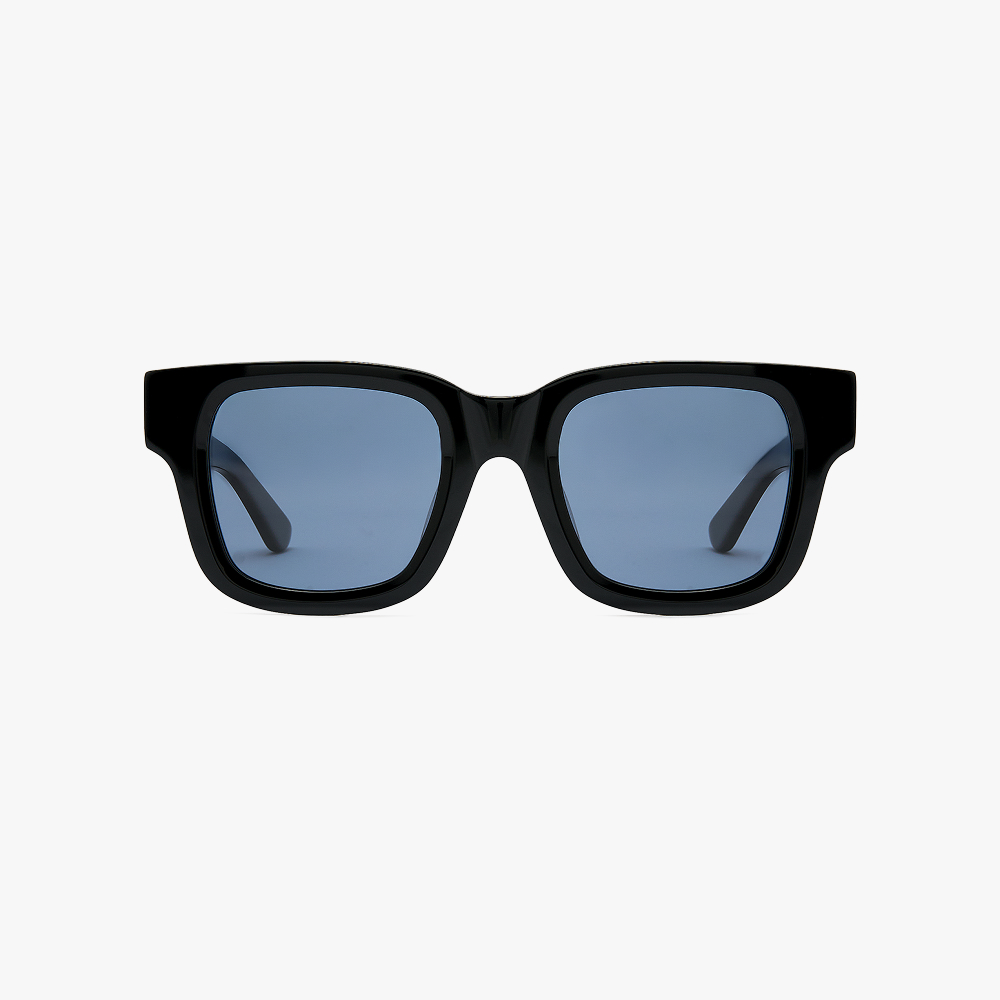
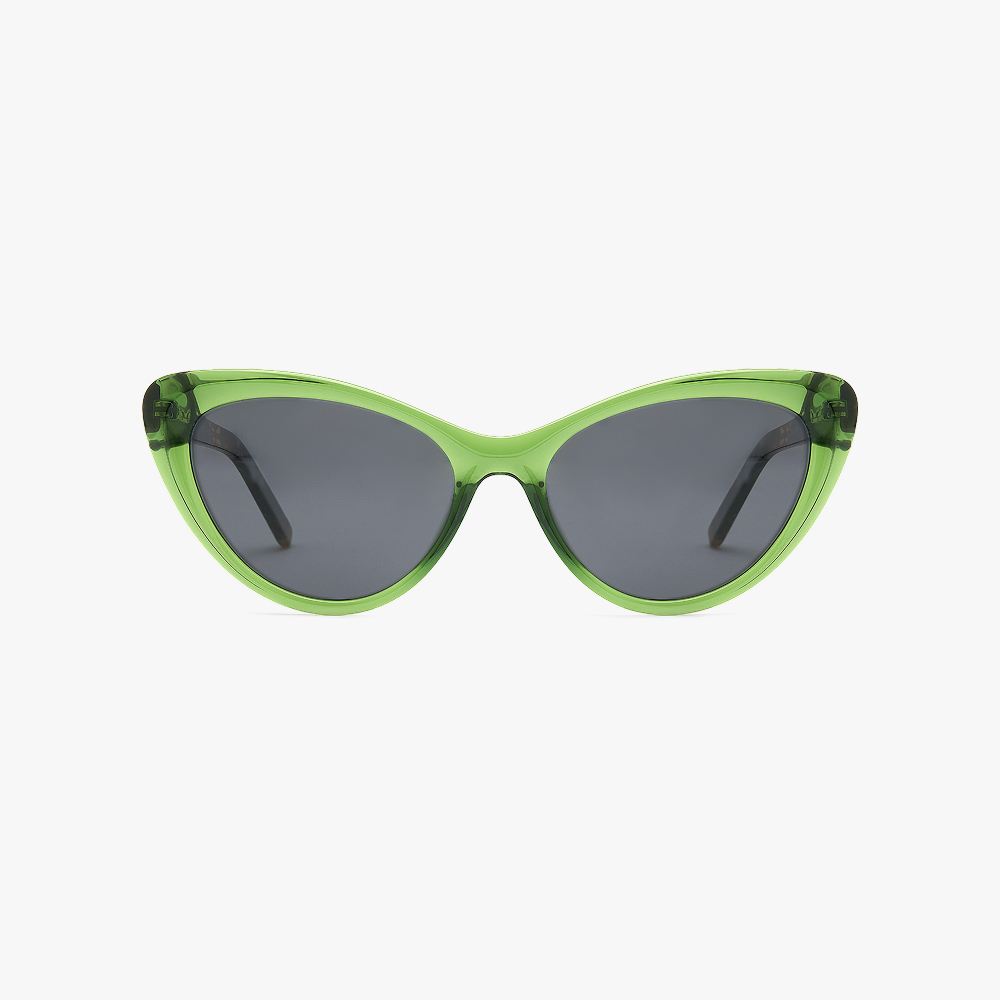
At Matters, every mount is made from 100% with RPET. And not just for its technical properties, but because we believe it's a way to add value to what already exists.

The RPET, although more respectful than other alternatives, It is not biodegradablenor does it disappear naturally. Furthermore, its continued recycling has a limit: it cannot be recycled infinitely without losing quality. Therefore, The real change lies in how we use each product.
Beyond the material, what's important is the durability, timeless design and commitment with repair, reuse and responsible recycling.
| Material | Origin | Recyclable | Biodegradable | Environmental impact |
|---|---|---|---|---|
| RPET | Recycling | Yeah | No | Low |
| Acetate | Plant-derived / synthetic | Depends | No | Half |
| Metal | Mining | Yeah | No | High |
| Virgin plastic | Oil | No | No | High |
If we talk about conscious decisionsThe answer is yes.
Not because it's perfect, but because It represents a form of consumption that prioritizes reuse and efficiency. about extraction and waste. And if that RPET also becomes an everyday object like glasses, the value of that decision multiplies.
At Matters, we don't use RPET to jump on a trend. We do it because We believe that every material has a story.and that the RPET can be transformed into something positive if used consciously.
Our glasses don't just help you see better. They also allow you to see in a different way: with clarity, with intention, and with respect for our surroundings.




 EN
EN  ES
ES