The category of sunglasses does not measure the quality of the frame or the UV protection. It indicates how much visible light passes through the lenses.
A higher category lets in less light and therefore usually corresponds to a darker lens. The choice should be adapted to the environment: glasses suitable for walking around town may not be sufficient in the high mountains, while an extremely dark lens can be dangerous while driving.
| Category | Visible light that passes through approximately | Regular use |
|---|---|---|
| 0 | 80-100 % | Transparent or very clear lenses; for aesthetic purposes or low light transmission. |
| 1 | 43-80 % | Cloudy days or soft light. |
| 2 | 18-43 % | Moderate brightness and urban use. |
| 3 | 8-18 % | Intense sun, beach, summer and outdoor activities. |
| 4 | 3-8 % | High mountains, snow and extreme light. |
This classification is based on the visible light transmission used in the standards for sunglasses.
Category 0 lenses are clear or have a very light tint. They are not designed to protect against intense sunlight.
They can be used as an aesthetic accessory, indoors, or on very low-light days. A category 0 lens can incorporate UV protection, even though it may appear clear.
It has a light coloration and can be useful on cloudy days or with reduced light.
It is not usually the most comfortable choice for the middle of summer or for spending many hours by the sea.
It reduces a moderate amount of visible light. It is common in glasses intended for changing situations or urban environments where the sun is not extreme.
It is one of the most common categories in sunglasses for general use on bright days.
It may be appropriate for:
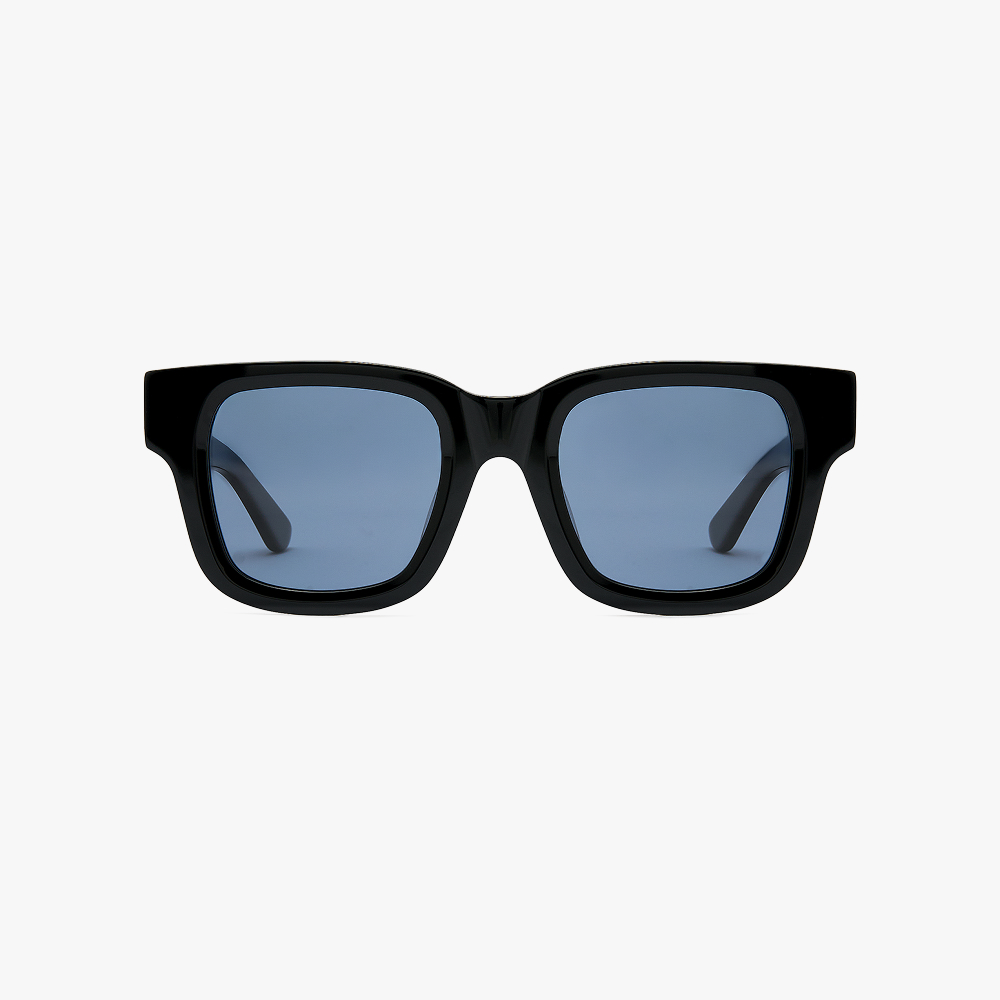
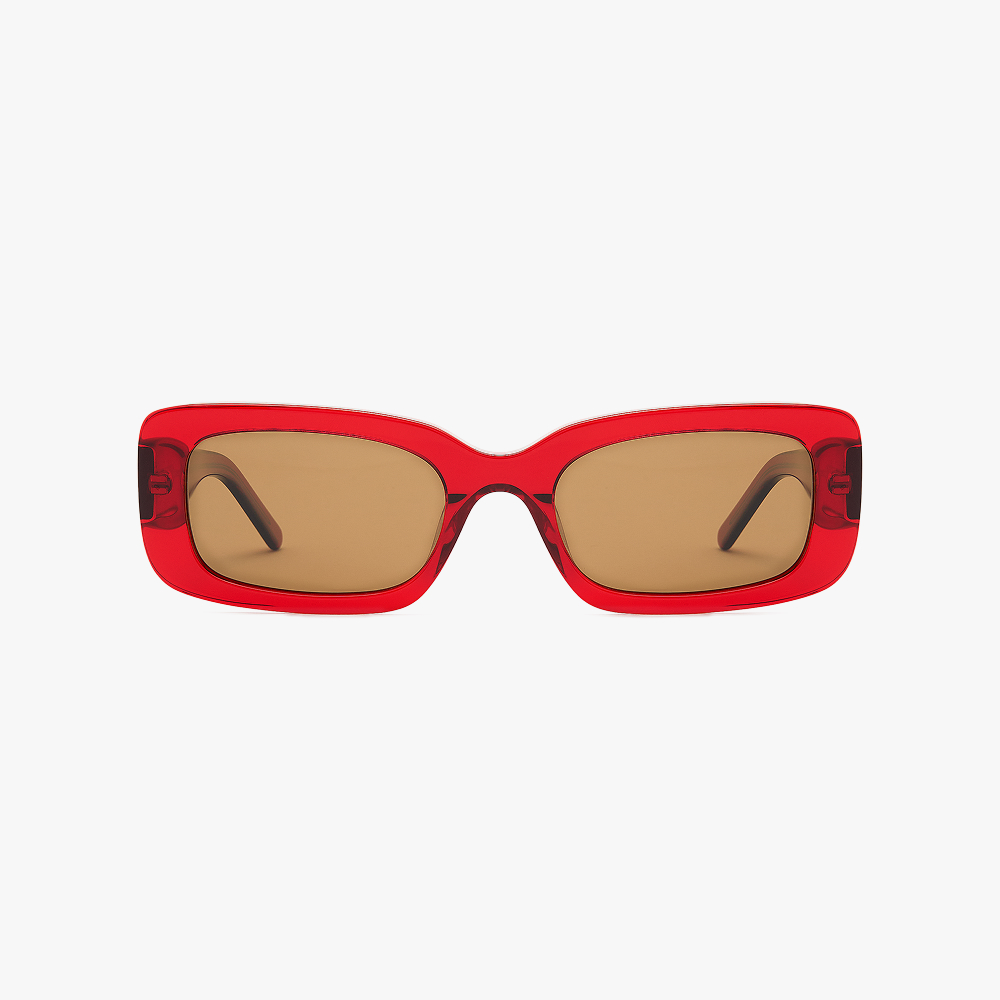
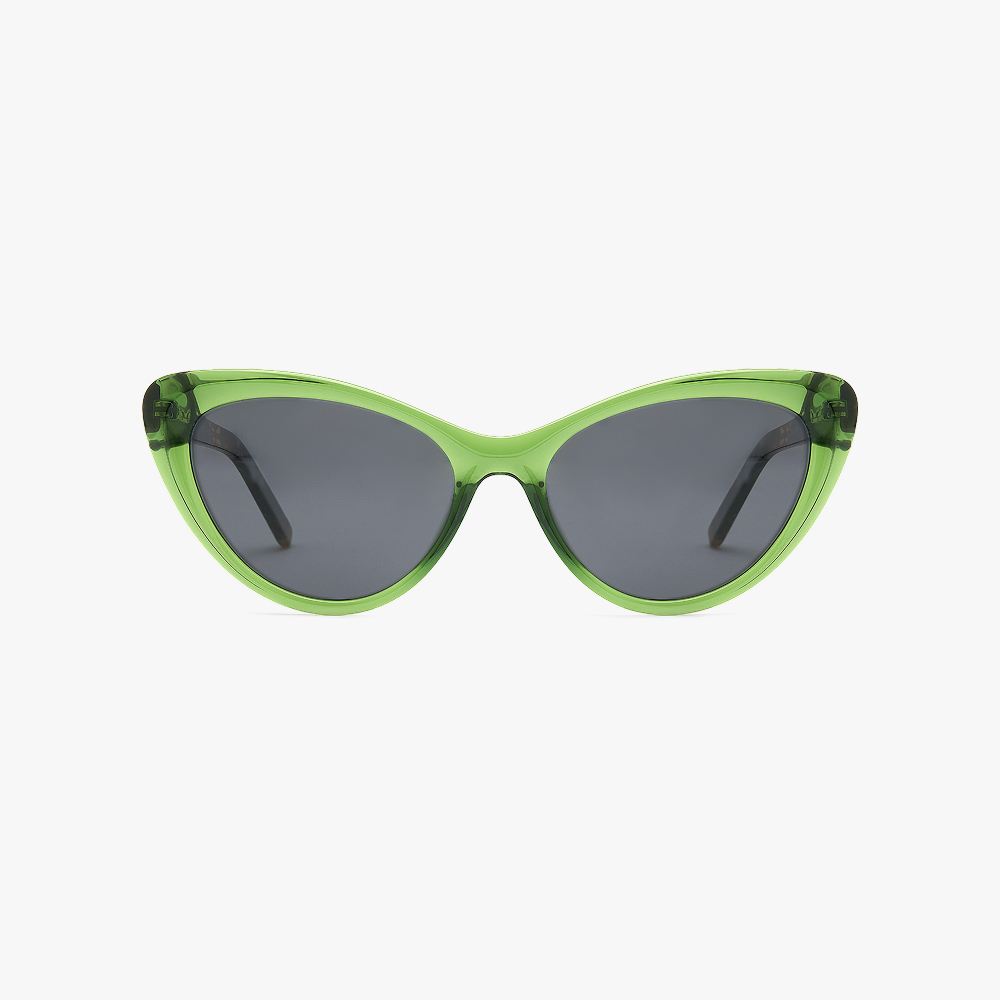
Matters sunglasses incorporate category 3 lenses, as well as polarization and UV400 filter.
These lenses allow a very small amount of visible light to pass through. They are used in exceptional conditions, such as high mountains, glaciers, or environments with very intense reflection.
These are not glasses for everyday use and should not be used for driving.
The DGT (Spanish Directorate General of Traffic) expressly warns that category 4 filters are not suitable for driving because they reduce the passage of light too much, especially when entering tunnels or dark areas.
A category 3 lens is darker than a category 1 lens, but that does not automatically guarantee greater ultraviolet protection.
The category controls the light we see. UV400 refers to ultraviolet radiation, which we cannot see. Polarization affects reflections.
To properly evaluate a pair of glasses, you need to look at the three pieces of information separately.
During the day, appropriate filters for the existing light conditions can be used, usually within the categories permitted for daytime driving. The DGT (Spanish Directorate General of Traffic) mentions filters 1 to 3 and excludes category 4.
Dark sunglasses should not be worn at night or at dusk. The College of Optometrists notes that filters with a light transmission of less than 75 % are not suitable for nighttime or twilight driving.
Ask yourself three questions:
For everyday outdoor use in bright sunlight, a category 3 sunshade usually offers a practical balance. For special conditions, it's best to seek advice and choose sun protection specifically designed for the activity.




 EN
EN  ES
ES