
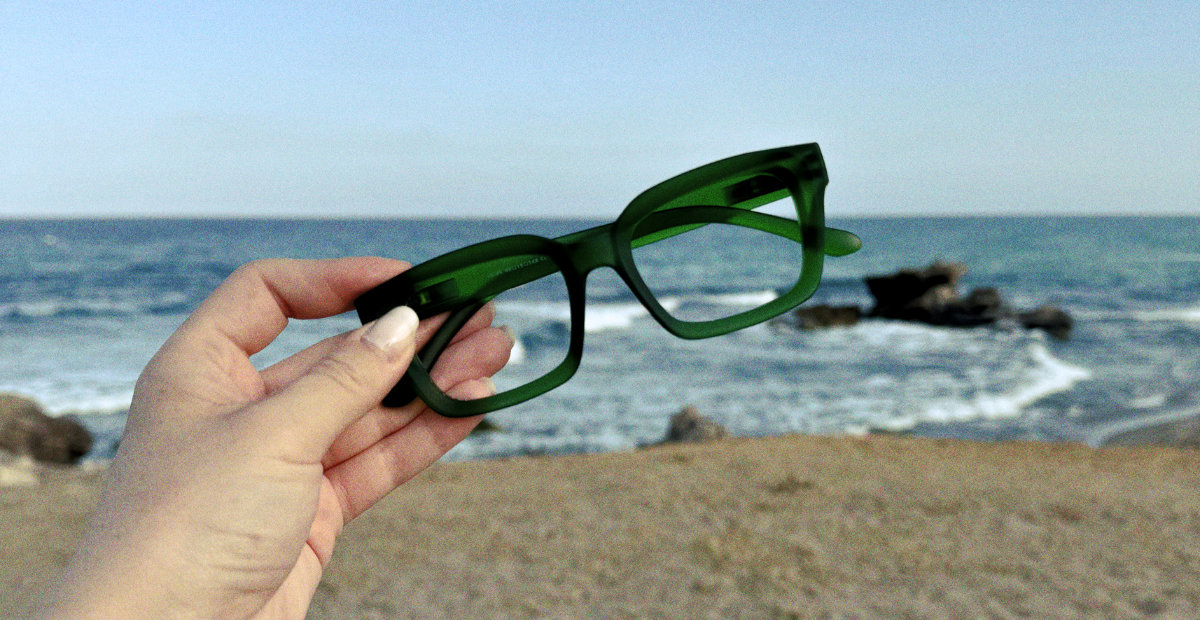
Summer invites us to slow down, spend more time outdoors, and disconnect. However, screens remain a part of our daily lives: work, mobile phones, TV series, or digital reading.
This continued use, combined with seasonal factors such as heat, air conditioning, or sun exposure, can lead to an increasingly common sensation: dry eyes from screens.
Understanding why it happens and how to manage it is key to consciously taking care of your eyesight, even in summer.

During the warmer months, the environment changes and directly affects visual health.
On the one hand, the high temperatures and dry air They promote the evaporation of natural tears. On the other hand, the use of air-conditioning It further reduces ambient humidity. This is compounded by wind, sea salt, or pool chlorine.
If we add the frequent use of screens to this context, the result is clear: increased dryness, irritation, and a feeling of eye fatigue.
When we use digital devices, something very specific happens: we blink less.
Naturally, a person blinks several times a minute to keep the surface of the eye hydrated. However, when looking at a screen, this frequency usually decreases. We look more intently, fix our gaze for longer periods, and the eye receives less lubrication.
This decline has direct consequences:
In summer, this effect intensifies, as the environment is already predisposed to drying out the ocular surface.
It's not always about obvious pain or discomfort. Sometimes the symptoms are more subtle, but they recur frequently.
Pay attention if you notice:
Identifying these signs early allows you to adjust your habits before the discomfort gets worse.
It's not about getting rid of screens, but about learning to use them better. These small adjustments can make a real difference.
It may seem basic, but it works. Reminding yourself to blink more often helps keep your eyes hydrated, especially when you're working, reading, or browsing for long periods.
Every 20 minutes, look at something about 6 meters away for at least 20 seconds. It's a simple way to relax your eyes and reduce accumulated tension.
Avoid pointing the air conditioning directly at your face and try to maintain adequate humidity in indoor spaces.
Excessive brightness forces the eye to work harder. Adapting it to the ambient light helps reduce eye strain.
Drinking water also influences overall well-being and can help maintain better eye hydration during the warmer months.
Beyond habits, there are solutions that can help improve visual comfort in digital environments.
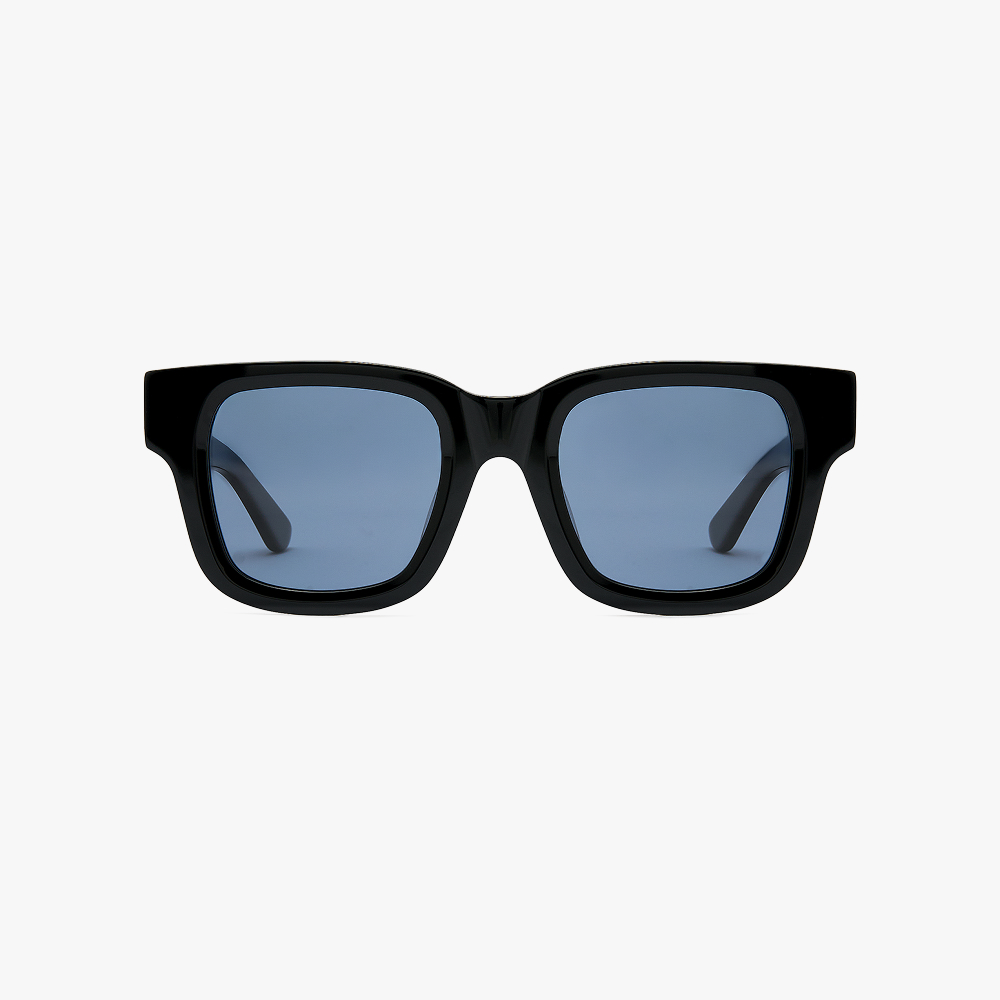
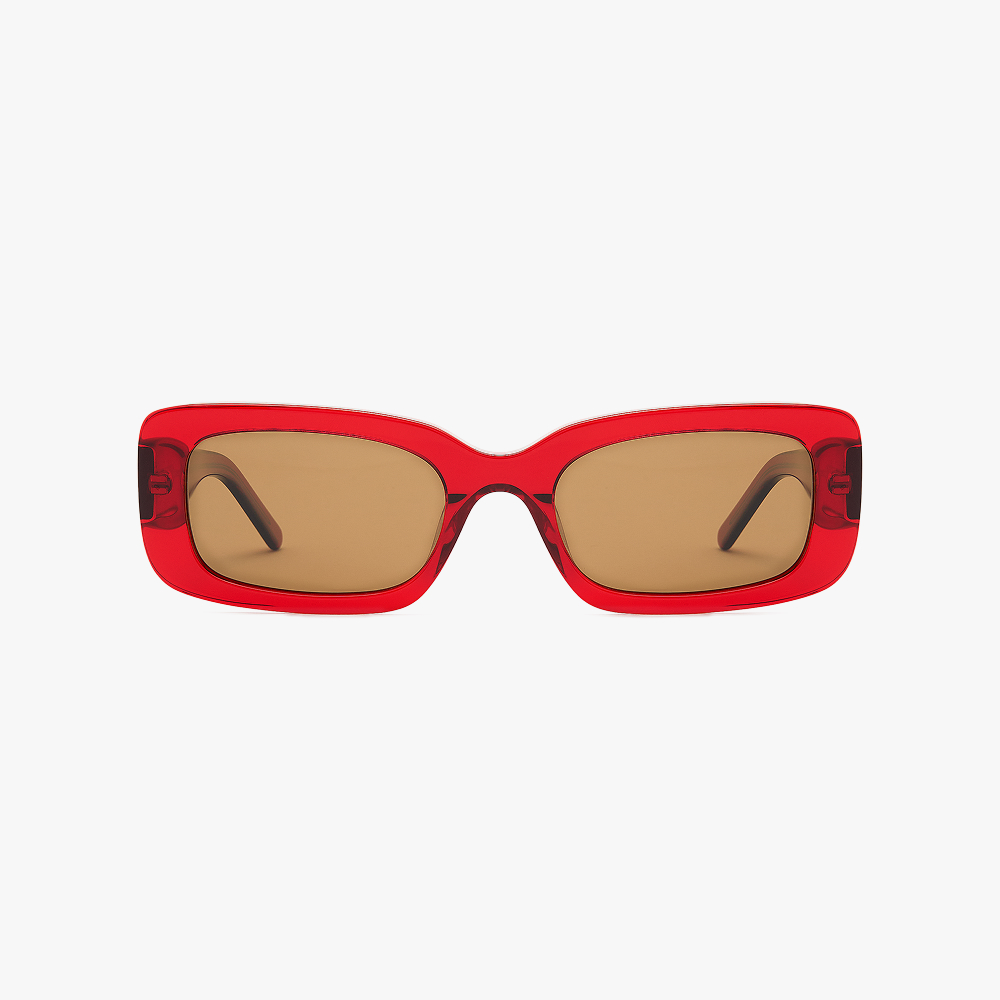
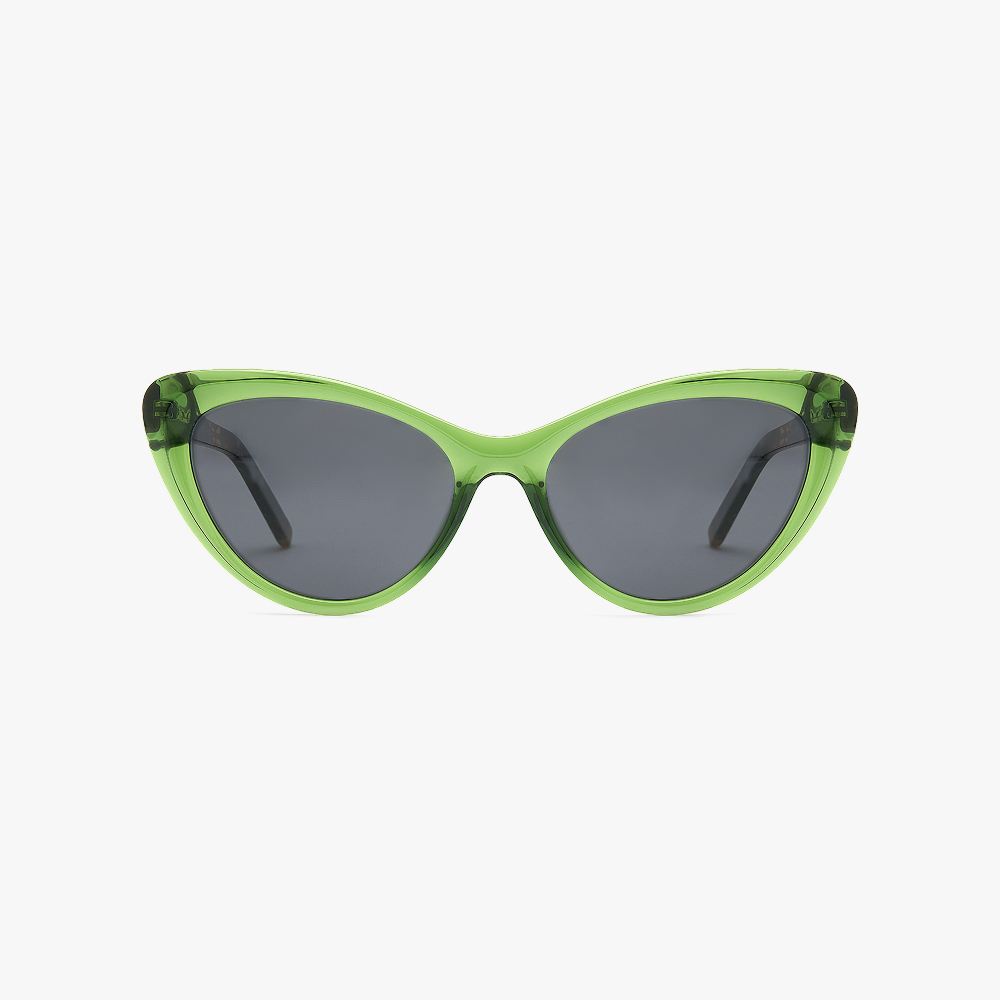
The glasses with blue light filter They are designed to reduce some of the impact of prolonged screen exposure, promoting a more comfortable experience while working, reading, or using your mobile phone regularly.
These types of glasses do not replace an eye exam, but they can become a useful aid when the use of devices is constant.
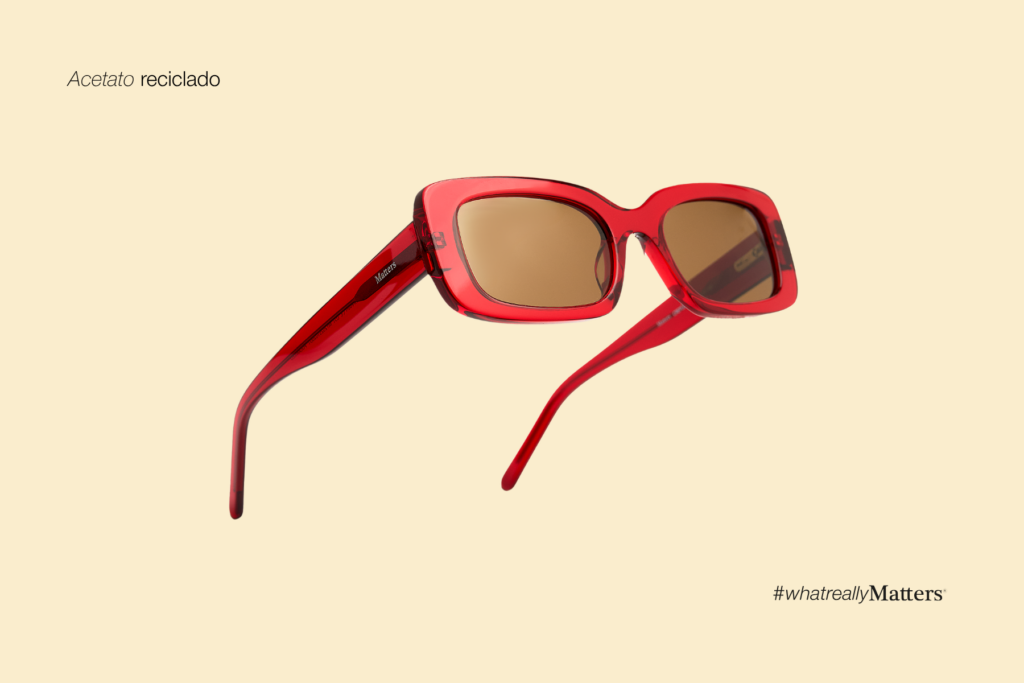
In addition, opt for models manufactured with recycled materials It allows you to take care of your eyesight without losing sight of the impact of what we use every day.
Summer doesn't have to be synonymous with visual discomfort.
Adjusting small habits, paying attention to body signals, and choosing the right products can completely change the experience.
Instead of viewing screens as a problem, we can integrate them more consciously into our daily lives, reducing their impact and prioritizing well-being.
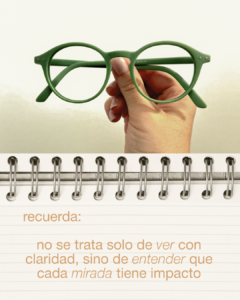
The way we consume influences even something as everyday as a pair of glasses.
Choosing durable products, made with recycled materials and designed to last, is part of a more responsible way of understanding personal care.
Because in summer —and throughout the year— it's not just about seeing clearly, but about seeing with intention.



 EN
EN  ES
ES